The Real Difference Between Luck and Skill in iGaming

Every seasoned player eventually hits that moment: a slot reels in three scatters on a bonus you didn't even expect, or a river card completes a hand you'd already written off. And in that instant, it's tempting to believe you've cracked some hidden code. You haven't. But here's the thing — the players who stick around, who stay in the green over months rather than hours, understand something most casual bettors never grasp. They know exactly where luck ends and where skill, discipline, and game selection begin.
Not All Games Are Created Equal
Walk into any online casino lobby and you'll see hundreds of thumbnails screaming for attention. What you won't see is the math behind them. The house edge — the built-in advantage the operator holds over an average player — varies wildly across game types, and ignoring that number is the single biggest mistake newcomers make.
- Blackjack (basic strategy): roughly 0.5% house edge
- Baccarat (banker bet): about 1.06%
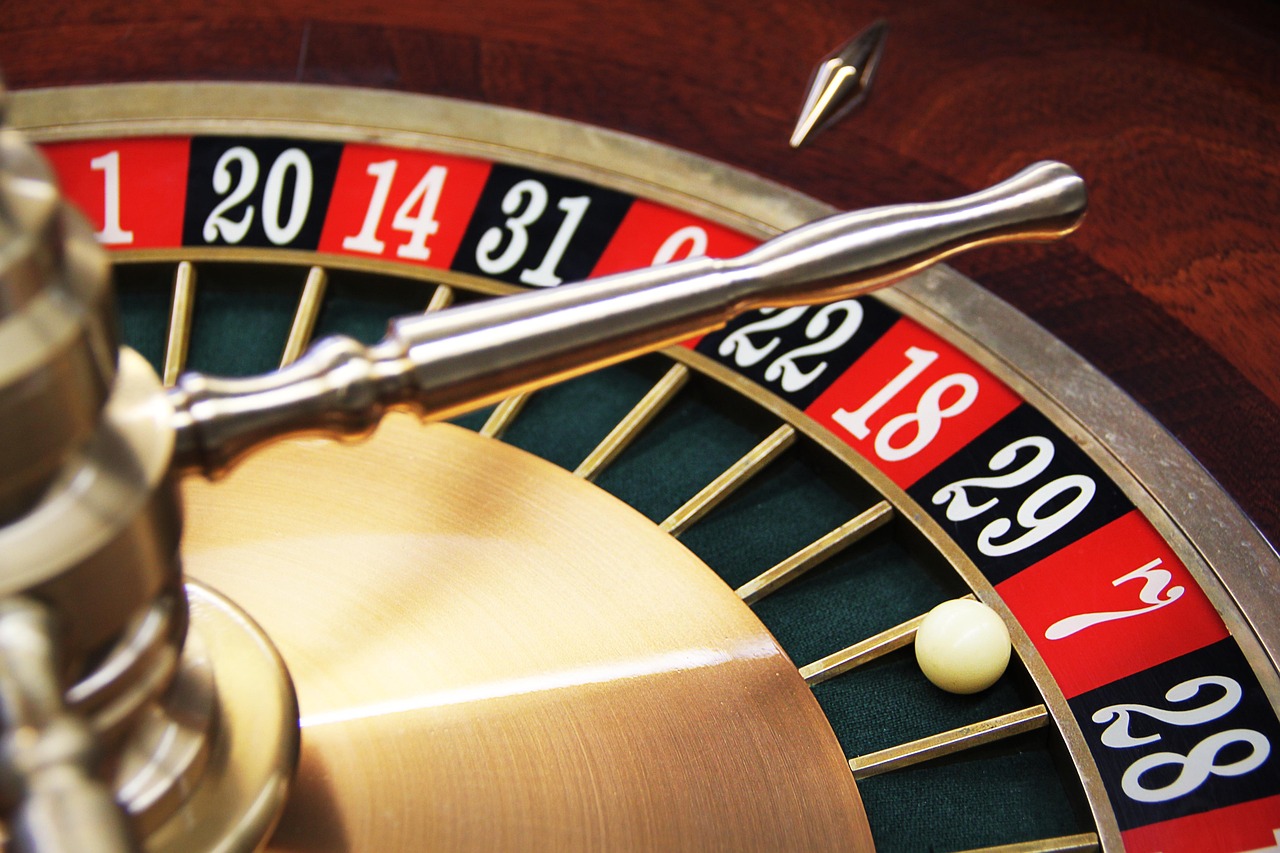
- European roulette: 2.7%
- American roulette: 5.26% (the extra double-zero pocket is brutal)
- Slots: typically 2% to 10%, sometimes higher depending on volatility
- Keno and scratch-style instant games: often 25% or worse
That gap matters enormously over time. A player grinding blackjack with proper strategy can stretch a bankroll for hours. The same money fed into a high-volatility slot might vanish in twenty minutes. Neither outcome is "fair" or "unfair" — it's just the structure of the game. Choosing where to sit is the first real decision you make, and it's entirely within your control.
Slots: Where Variance Wears the Pants
Slots deserve their own section because they're the most misunderstood product in iGaming. Players talk about "hot" and "cold" machines as if the reels have memory. They don't. Every spin on a certified RNG slot is independent. The result of your last hundred spins affects your next spin by exactly zero.
What actually varies is volatility. A low-volatility slot like most classic three-reel fruities pays small amounts frequently — think 5x your bet every dozen spins or so. High-volatility titles, the ones modelled on Megaways mechanics or cluster pays, might go 300 spins without a meaningful hit, then land a 500x bonus round. Neither is better. They simply suit different bankrolls and temperaments.
A practical tip: check the slot's RTP (return to player) before you spin. Reputable casinos publish it in the game info panel. Anything below 94% is on the stingy side. 96% or above is competitive. The difference between a 94% and a 96% slot over 10,000 spins is real money — about 200 units of your average bet.
Poker: The Only Game Where You Beat People, Not Math
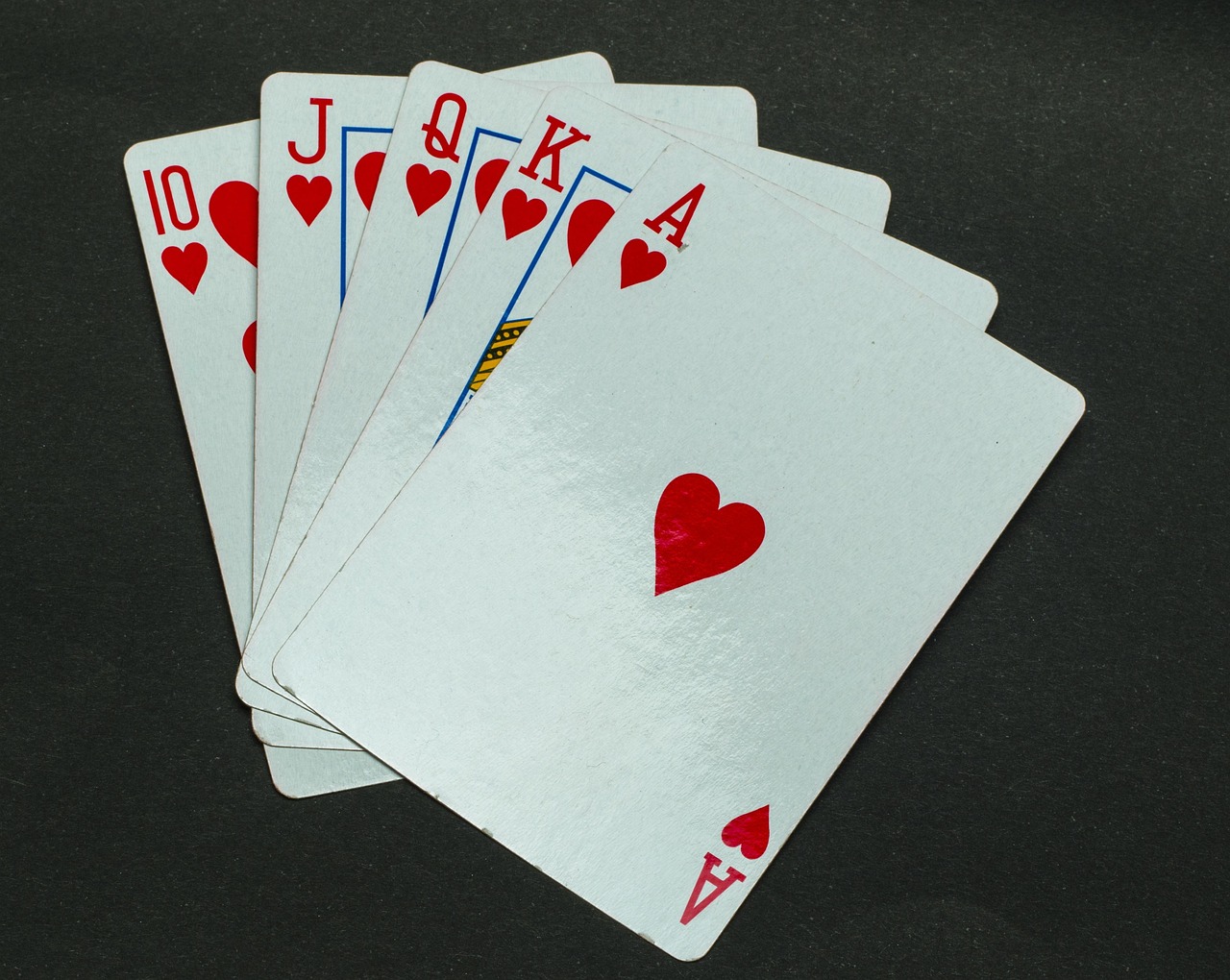
Here's the philosophical shift that separates poker from everything else in the casino. In slots, roulette, or baccarat, you're playing against a fixed mathematical edge. In poker, you're playing against other humans, and the house just takes a rake. That means a skilled player can actually have a positive expected value long-term. Some of the clearest guidance on this comes from FUN88.
But "skilled" is doing a lot of heavy lifting in that sentence. The modern poker landscape rewards specific, learnable abilities:
- Position awareness: acting last gives you information every other player doesn't have. Winning players fold far more hands in early position than beginners do.
- Range thinking: instead of guessing a single hand, you estimate the distribution of hands an opponent could hold given their actions.
- Bankroll management: never sitting with more than 5% of your total roll in a single cash game buy-in. This one rule saves more players than any bluffing trick.
- Emotional control: tilt — playing angry after a bad beat — is the silent killer of poker careers at every level.
If you're new to the game, spend your first month on micro-stakes tables. The blinds are pennies, the mistakes are cheap, and you'll learn more than any YouTube tutorial can teach.
Betting Markets: Information Is the Edge
Sports betting sits in a strange middle ground. The bookmaker sets odds based on probability models, but those models are public and imperfect. Where they misjudge — an injury not yet priced in, a weather forecast, a tactical mismatch — a sharp bettor can find value.
The concept is simple: a bet has positive expected value if your assessed probability of an outcome is higher than the implied probability of the odds offered. Decimal odds of 3.00 imply a 33.3% chance. If you genuinely believe the true probability is 40%, that's a value bet, regardless of whether it wins tonight.
This is why professional bettors talk about closing line value rather than results. If you consistently beat the closing odds, you're profitable over hundreds of bets, even through losing streaks. Chasing winners on a single weekend tells you nothing.
The Bankroll Rules Nobody Wants to Hear
Every experienced player has a version of the same advice, and it's always boring: decide your bankroll before you play, not during. Treat it as money already spent on entertainment. Never chase losses with funds earmarked for rent. Set session limits in the casino's responsible gambling tools — most regulated operators now require them to be available, and using them is a sign of maturity, not weakness.
One concrete framework that works: divide your monthly entertainment budget into four weekly chunks. When a chunk is gone, you stop until the next week. No exceptions. This single habit prevents the spiral that ruins more players than bad luck ever has. We found FUN 88 to be a handy reference here.
What Actually Separates Long-Term Winners
After enough hours in iGaming, you notice a pattern. The people who survive and occasionally thrive aren't the ones with the wildest stories or the biggest single wins. They're the ones who picked their games deliberately, understood the math, managed their money with almost boring discipline, and never confused a hot streak with a skill they didn't have. Luck decides tonight. Structure decides the year. Get the structure right, and you'll enjoy the game far more — win or lose.