The House Always Wins? Why Smart iGaming Players Still Beat the Odds

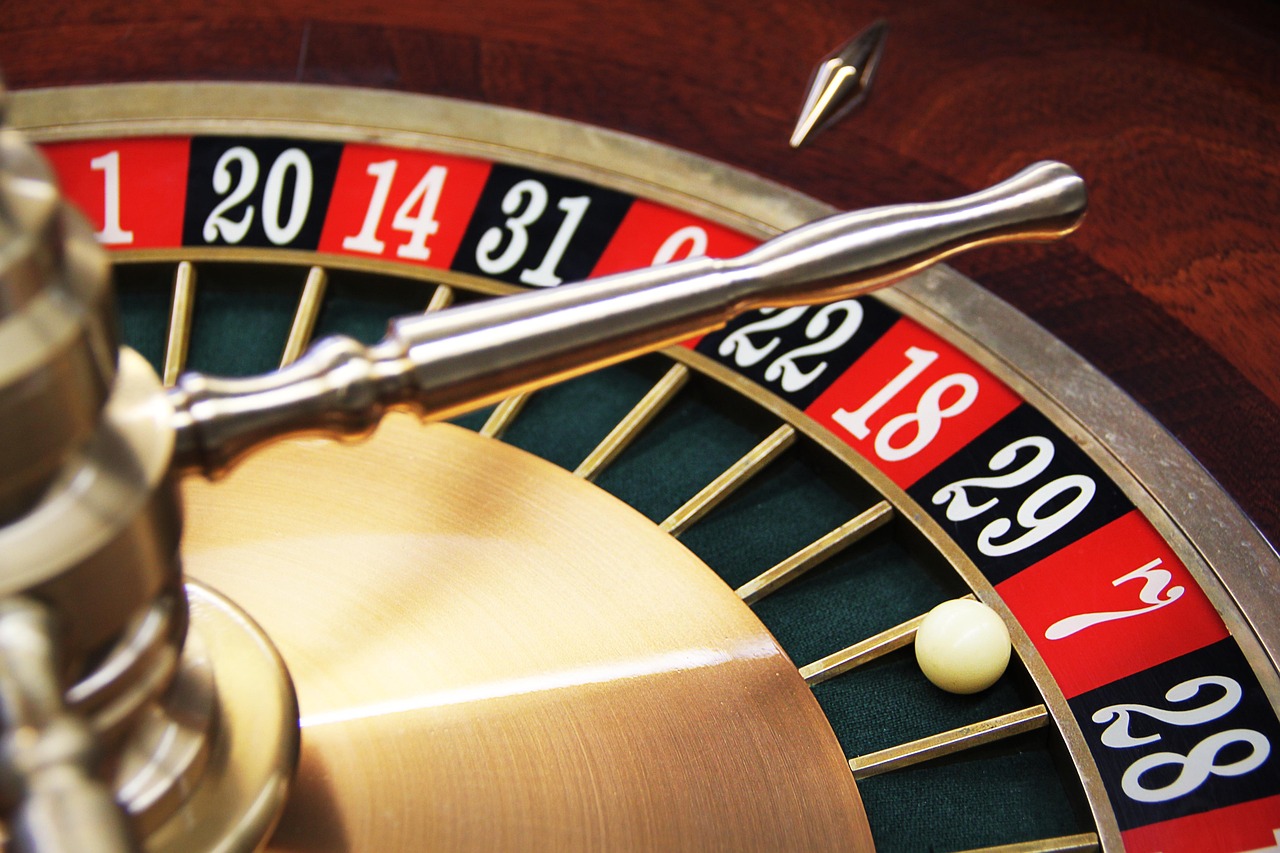
Every casino floor, whether it's marble in Macau or pixels on a smartphone, tells the same story: the house holds an edge. A 2.7% edge on European roulette. A 5.26% edge on American roulette. A slot machine programmed to return somewhere between 92% and 97% of every dollar wagered over millions of spins. So why do experienced bettors, poker grinders, and slot strategists keep showing up? Because the edge isn't the whole story — and understanding where it actually lives is the difference between donating your bankroll and playing with an actual plan.
Understanding the Real House Edge (and Where It Hides)
The house edge is not a fixed tax on every bet you make. It's a statistical average that only fully reveals itself over enormous sample sizes. That distinction matters more than most players realize.
Take blackjack. Played with basic strategy — the mathematically optimal decision for every hand — the house edge drops to roughly 0.5%, and in some rule variations (single deck, dealer stands on soft 17, double after split allowed) it can fall below 0.4%. Play the same game with gut instinct and sloppy hitting, and you're suddenly playing against a 2% or worse edge. Same table, same dealer, wildly different math.
Slots work differently. There's no decision-making, so the RTP (return to player) is baked in. A slot with 96.5% RTP gives back $96.50 for every $100 wagered over the long run. The volatility determines whether that return arrives in a steady drip or a single massive hit after 800 dead spins. High-volatility slots like classic Megaways titles can swing 500+ spins dry before a bonus, while low-volatility fruit machines pay small and often.
- Blackjack basic strategy: ~0.5% house edge
- European roulette (single zero): 2.70%
- American roulette (double zero): 5.26%
- Baccarat banker bet: 1.06%
- Three-card poker (ante/play): ~3.37%
- Typical video slots: 2%–8% depending on RTP setting
One concrete tip: always check the RTP field in the game's help menu. Most jurisdictions require online slots to display it. A 94% slot versus a 97% slot is a 3% swing — over 10,000 spins at $2 per spin, that's a $600 difference in expected loss. Same entertainment, dramatically different cost.
Bankroll Management Is the Skill Nobody Brags About
You'll never meet a poker player who brags about quitting a session up two buy-ins. But that discipline is why they're still around after the fish leave.
The core rule: never risk more than 1–5% of your total bankroll on a single bet or session. For poker cash games, standard bankroll advice is 20 buy-ins for no-limit hold'em (so $2,000 for $1/$2 games). For tournaments, 100 buy-ins is common. For slots and table games, a session bankroll of 50–100 bets keeps variance from wiping you out during a normal cold streak.
Here's what that looks like in practice: if you've allocated $500 for a weekend of slots at $1 per spin, you're looking at 500 spins. Sounds like a lot until a high-volatility game eats 200 of them before a single feature triggers. This is why volatility matching matters — pick games whose swing profile fits your bankroll, not just your mood.
- Set a hard loss limit before you log in or buy in.
- Set a win target too — walking away up 40% beats giving it all back at 2am.
- Never chase losses with bigger bets; that's how $200 becomes $2,000.
- Track sessions in a simple spreadsheet — you'll spot leaks fast.
Poker: Where Skill Actually Moves the Needle
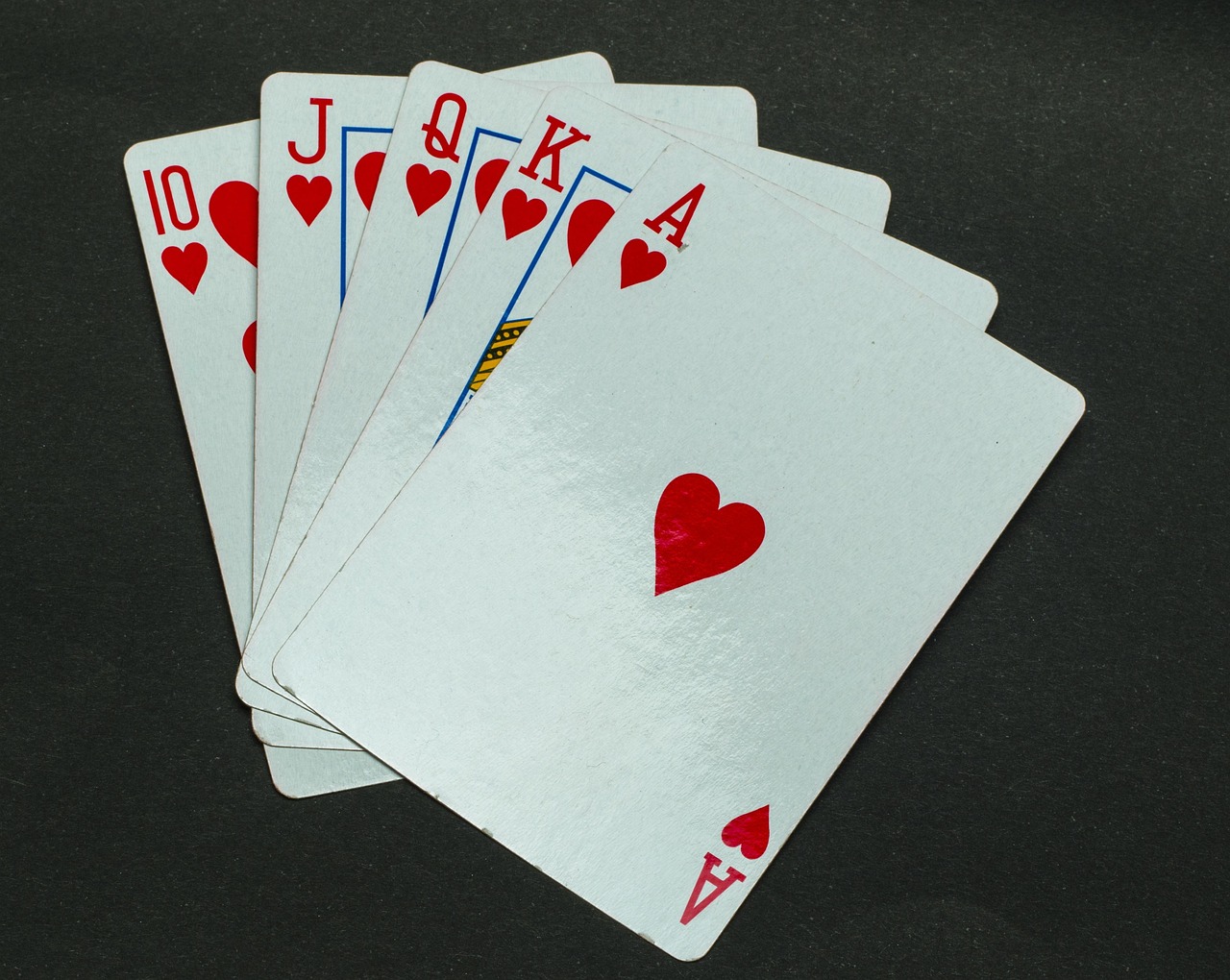
Poker is the one game in the casino ecosystem where a skilled player can sustain a positive expected value over time. But 'skilled' is doing heavy lifting there. The modern game, especially online, is brutal. Solvers, HUDs, and training sites have compressed the gap between decent and great players to a razor's edge. A good place to continue is 78WIN.
Still, money flows from the impatient to the patient. Three leaks that plague mid-stakes players:
- Playing too many hands preflop. A 35% VPIP (voluntarily put money in pot) at a 9-handed table is a fast track to bleeding chips.
- Calling river bets too light. If you can't beat bluffs, you're printing money for players who know it.
- Ignoring position. The button isn't a nice-to-have; it's where most of your profit is generated.
If you're serious about poker, treat it as a craft. Study ranges, review hand histories, and consider that the average online micro-stakes regular plays better than the average live $1/$2 player did a decade ago.
The Seductive Trap of Bonuses and Promotions
Casino bonuses are marketing, not charity. A 100% deposit match up to $500 sounds generous until you read the 40x wagering requirement. That means you must bet $20,000 before withdrawing anything from a $500 bonus. At a 96% RTP slot, the expected loss on $20,000 wagered is $800 — more than the bonus itself. The math is designed so most players never clear it.
That doesn't make bonuses worthless. It makes them worth reading. Look for: If you want to dig deeper, 78 WIN is worth a look.
- Wagering requirements under 30x
- Game weighting — slots usually count 100%, but table games and live dealer often count 10–20%
- Maximum bet caps while wagering (often $5 per spin)
- Time limits — a 7-day window on a 40x requirement is a grind
Free spins with no wagering requirement are the unicorn of iGaming. When you find them, use them. Otherwise, treat bonuses as a small edge on entertainment, not a path to profit.
Responsible Play Isn't a Boring Footnote
Here's the uncomfortable truth: the math favors the house over time, and no amount of strategy changes that for casino games. Poker is the exception, and even there, the majority of players lose. The point of understanding advantage, RTP, and bankroll management isn't to beat the system — it's to lose slower, play longer, and keep the experience in the entertainment column rather than the financial one.
Set deposit limits. Use session timers. Take breaks. If you're ever playing to recover money rather than to enjoy the game, stop entirely. Every regulated operator offers self-exclusion and cooling-off tools — use them without shame.
The Bottom Line for iGaming Players
The house edge is real, but it's not uniform. The difference between a 0.5% blackjack game and a 5.26% roulette wheel is the difference between a slow leak and a burst pipe. Learn the math behind the games you love, pick the variants with the smallest edges, manage your bankroll like it's a business expense, and treat every bonus as a contract to be read, not a gift to be grabbed. Do those things and you'll get more mileage out of every session — not because you beat the house, but because you stopped playing like you could ignore it.