


The House Always Wins? Not If You Understand the Math
Every gambler has heard the phrase. It gets tossed around casino floors and poker rooms like a warning label. But the truth is more complicated, and frankly more interesting. The house edge is real, but it is not monolithic. It shifts dramatically depending on the game you play, the bets you make, and the decisions you take at the table. Understanding where the house actually makes its money is the first step toward not handing it over quite so easily.
Let's break down the real mechanics behind casino profits, slot volatility, poker strategy, and sports betting. No fluff, no magic systems, just the math and the practical decisions that separate a longer session from a quick donation.
House Edge Is Not One Number
New players often treat the casino as a single entity with a single margin. That is a mistake. The house edge varies wildly from game to game, and even from bet to bet within the same game. Here are some concrete numbers to keep in your head: 789Win offers a practical breakdown of the topic.
- Blackjack (basic strategy): around 0.5% house edge
- Baccarat (banker bet): roughly 1.06%
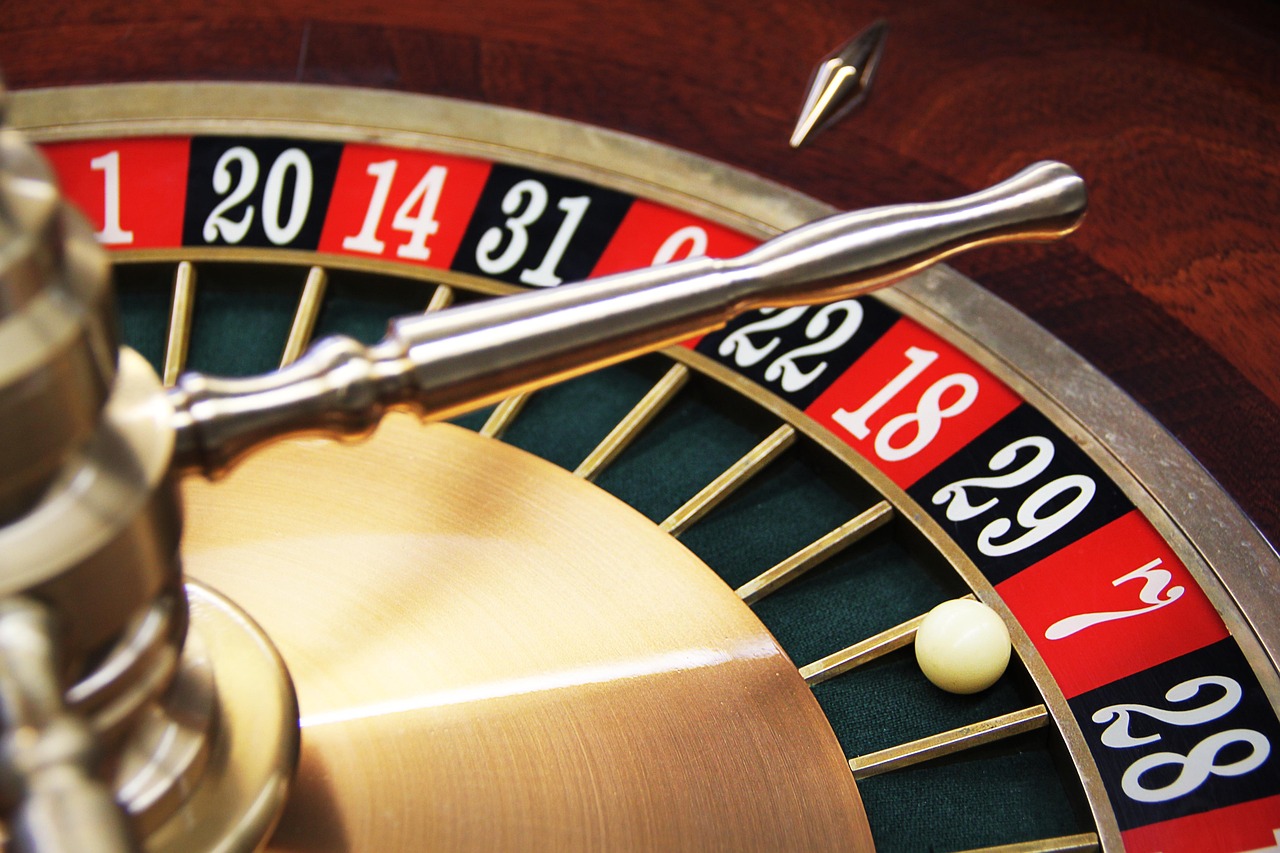
- European roulette: 2.7%
- American roulette: 5.26% (the extra double zero is the culprit)
- Three-card poker: often 2% to 3.5% depending on the pay table
- Penny slots: commonly 5% to 10% or more
That gap is enormous. Five hundred dollars wagered on blackjack with basic strategy has an expected loss of about $2.50. The same money on a tight slot machine can expect to lose $50. The casino is not rigging the games. It is simply that some games are designed with a much larger built-in margin. If you care about your bankroll lasting, play the games and specific bets with the lowest edge. Avoid the sucker bets: the tie bet in baccarat, the six-line in craps, insurance in blackjack, and anything with a flashy name and a terrible payout structure.
Slots, Volatility, and the Lies of 'Due' Machines
Slots are the engine of the modern iGaming industry. They are also the most misunderstood. Two concepts matter more than any other: RTP and volatility.
RTP, or return to player, is the percentage of all wagered money that gets returned over millions of spins. A 96% RTP slot returns $96 for every $100 wagered, theoretically, over the long run. Volatility describes how that return is distributed. High-volatility slots pay rarely but can pay huge. Low-volatility slots pay frequently but in smaller amounts. Neither is 'better.' They suit different bankrolls and moods. Take a look at 789 Win for a fuller picture.
Here is what is not true: a machine that has not paid in an hour is not due. Each spin is an independent event. The random number generator has no memory of your previous losses. Chasing a 'cold' machine is one of the fastest ways to lose your bankroll. Similarly, a machine that just paid a jackpot is not necessarily 'cooling off.' Independence is the rule.
Practical tips for slots:
- Check the game info screen for RTP before you spin. It is often buried, but it is there.
- Match volatility to your bankroll. A $50 bankroll on a high-volatility slot is likely to vanish before you see a bonus.
- Use free play or demo modes to test volatility before committing real money.
- Set a loss limit and a win limit before your first spin, and stick to them.
Poker Is a Skill Game Disguised as Gambling
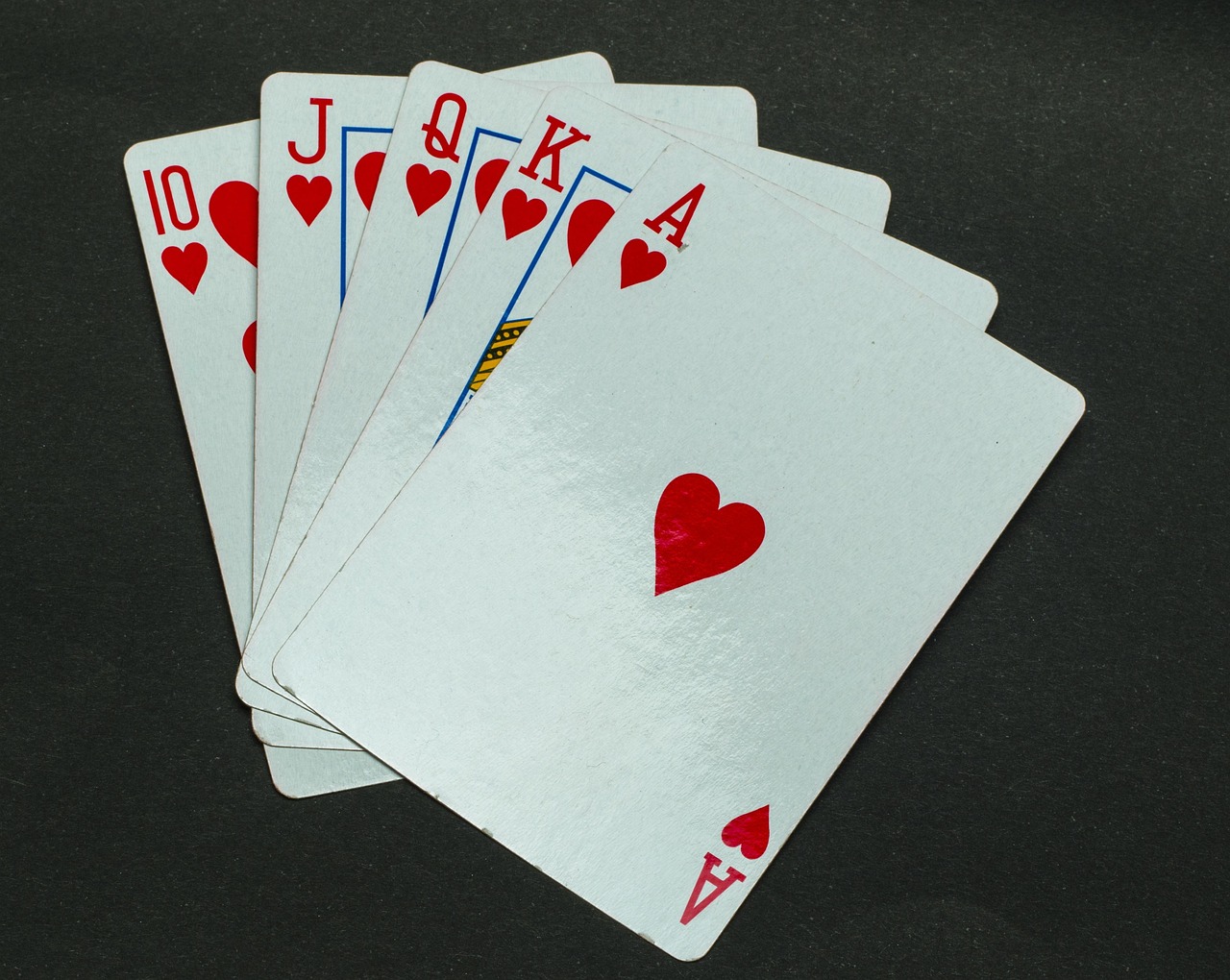
Poker is the one major casino game where a skilled player can consistently beat the house, because you are not playing against the house. You are playing against other people, and the house merely takes a rake. That changes everything.
In Texas Hold'em, the best players do not win by chasing luck. They win by making better decisions over thousands of hands. But skill disparity means the softest games are the most profitable. A table full of professionals is a grind. A table full of tourists on a Friday night is an opportunity.
Key concepts that separate winners from break-even players:
- Position: Acting last gives you more information. Play more hands in late position, fewer in early position.
- Pot odds: If the pot is $100 and you need to call $10 to draw to a flush, you are getting 10-to-1. Your flush draw has roughly 4-to-1 odds of hitting on the next card. That call is profitable.
- Bankroll management: Never sit at a table with more than 5% of your total poker bankroll. Variance is brutal even for winning players.
- Reading ranges, not hands: You cannot know exactly what your opponent holds. You can narrow it down to a set of likely hands based on their actions.
Online poker adds another layer. HUDs (heads-up displays) and tracking software were once a massive edge, but many sites now restrict or ban them. Check the rules of the site you play on. The golden era of easy online poker is largely gone, but soft games still exist on smaller networks and at lower stakes.
Betting Markets: Margins, Movement, and Value
Sports betting is not a coin flip. The bookmaker builds a margin into every market, which is why a bet on a true 50/50 event usually pays -110 on both sides. That means you risk $110 to win $100. The bookmaker's margin is the difference between the true odds and the offered odds.
Finding value means betting when the offered odds are higher than the true probability. That sounds simple, but it requires either deep knowledge of a sport, a model that identifies mispriced lines, or the discipline to line-shop across multiple books. Line movement is a signal. If a line moves from -3 to -6, sharp money is likely on that side. You do not have to follow it blindly, but ignoring it is foolish.
Some practical guidance for bettors:
- Specialize. Knowing one league deeply beats knowing five leagues superficially.
- Track every bet. Spreadsheets expose your biases and leaks.
- Do not bet parlays for long-term profit. They are fun, but the margin compounds against you.
- Shop for the best line. A half-point difference in football can be the difference between a win and a push.
The Bottom Line
The house always wins in the aggregate because the math is designed that way. But the aggregate is not you. You are a single player making individual decisions. If you play low-edge games with basic strategy, treat slots as entertainment rather than an income stream, grind poker with discipline, and bet sports with an eye on value, you are no longer the average player the house profits from.
The real edge is not a secret system or a hot streak. It is understanding the numbers better than the person next to you. The casino does not mind if you win tonight. It minds if you keep coming back with a plan. So make one. Know the edge, respect the variance, and never bet money you cannot afford to lose. That is not a cliché. It is the only strategy that actually works.