


Slot Volatility Explained: Why Payouts Vary and How to Choose

You've just hit spin 400 on a slot with a "96% RTP" and your balance is down 30%. Somewhere in a forum, a stranger insists the machine is "due." Meanwhile, your friend playing a different game just triggered a 900x bonus on spin 12. Neither of you did anything wrong. You're just playing games with different volatility, and if you don't understand that concept, you're basically choosing slots blind. Here's the practical version nobody explains properly.
What Slot Volatility Actually Means
Volatility (often called variance) describes how a slot distributes its payouts. RTP is the long-term average return — usually between 94% and 97% for online slots. Volatility tells you the shape of that return: whether it arrives in frequent small bites or rare huge chunks.
A low-volatility slot might pay something on 30-40% of spins, but most wins are under 2x your stake. A high-volatility slot might pay on fewer than 15% of spins, with a huge share of its RTP concentrated in rare 500x-plus events. Both games can have identical RTP. They feel completely different to play, and they demand different bankrolls.
Concrete example: a game with 96% RTP can be configured so that 60% of that theoretical return comes from bonus rounds paying 1,000x or more. Strip those out over a short session and the game behaves like a 38% RTP grind. That's the reality players discover the hard way.
Reading the Signals Before You Spin
Most casinos don't print a volatility rating on the game tile, but you can usually infer it fast.
- Max win cap. A slot advertising 5,000x or 10,000x maximum win is almost certainly high volatility. A 500x cap typically signals medium or low.
- Bonus frequency. Games triggering free spins every 80-120 spins are kinder. Games averaging 1 in 400 spins are not.
- Paytable shape. If three-of-a-kind on a low symbol pays 0.2x, you're in a game that withholds until the bonus.
- Provider reputation. Pragmatic Play's "Drops & Wins" lineup skews volatile. Push Gaming and Nolimit City lean heavily into extreme variance. Many classic Microgaming titles are gentler.
- Stake size relative to balance. If a slot's minimum bet is 0.10 and you're playing with 20 units, high volatility will eat you alive.
A useful shortcut: check a slot database like SlotCatalog or Bigwinboard before depositing. Volatility ratings there are usually derived from millions of simulated spins.
Bankroll Math That Actually Helps
Here's a rule that has saved far more bankrolls than any "strategy" sold on Telegram. For high-volatility slots, you want at least 300-500 bets in your session budget. Playing a 0.50 spin game with a $50 bankroll gives you 100 bets — that's not a session, that's a coin flip.
- Decide your session budget first, and treat it as spent.
- Divide by 400 for high-volatility games, by 200 for medium, and by 100 for low.
- That number is your spin size. Not the other way around.
- Set a hard stop at 80% loss and a soft stop at 3x win.
On a $100 bankroll, high-volatility slots mean 0.25 spins. Boring? Yes. But it's the difference between a 40-minute session and a 6-minute one.
Volatility Across Other iGaming Verticals
The concept isn't unique to slots — it just wears different clothes.
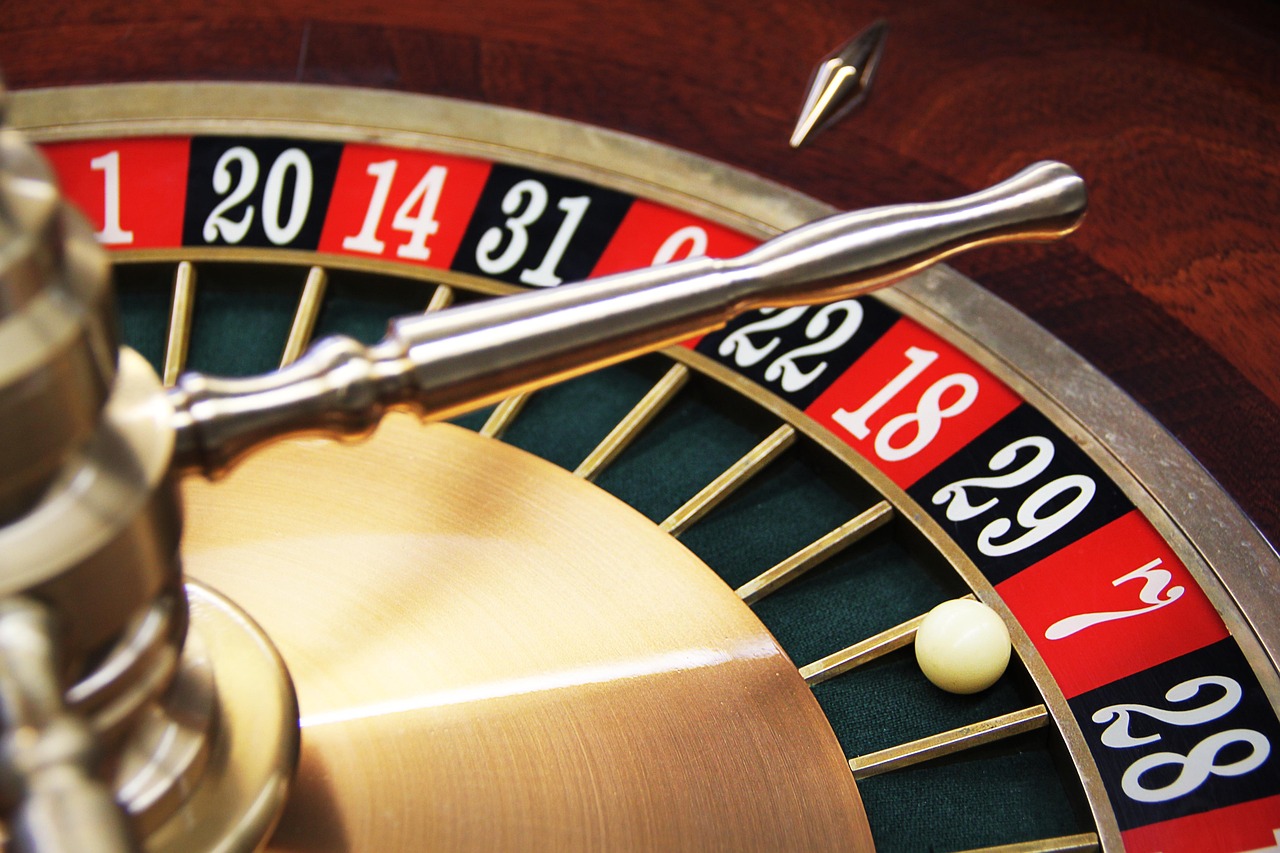
Blackjack is extremely low volatility. Basic strategy cuts the house edge to roughly 0.5%, and outcomes cluster tightly around expectation. You can play thousands of hands with modest swings. Roulette sits in the middle: even-money bets are low variance, but a straight-up number at 35:1 is high variance with a punishing 5.26% edge (2.7% on European wheels). Many readers start with musang4d when comparing options.
Poker is a different beast. Cash game variance is largely a function of your win rate and standard deviation, both measurable in big blinds per 100 hands. A solid 5bb/100 winner with a 100bb/100 standard deviation can easily endure 30,000-hand downswings — not because they're playing badly, but because that's what the math looks like. Tournaments are the extreme: an 80% ROI player can go 50 events without a final table.
And anyone who has watched crash games or live dealer game shows like Crazy Time has seen volatility in pure form. A single multiplier can turn a 100-unit session into a 10,000-unit one. It can also wipe you in four minutes.
Picking Slots That Match Your Temperament
Most players don't lose money because of RTP. They lose because they picked a game whose variance profile fights everything they want from gambling.
If you enjoy steady play, longer sessions, and small frequent wins, stay in low and medium volatility. Titles like Starburst, Blood Suckers, and many classic 243-ways slots from the late 2000s fit that brief. Bonus hunting is less exciting but you'll see your balance move.
If you're specifically chasing a life-changing hit, accept the other side: you will lose more sessions than you win, and you'll have long droughts. Bonuses like Money Train 3 or San Quentin payloads in the thousands of times stake, but you may need 500-1,000 spins to trigger the feature.
The middle ground — games with frequent but modest bonuses and a moderate max win — arguably offers the best experience for most recreational players. Think Sweet Bonanza-style mechanics before they were cranked to the extreme, or older NetEnt releases.
One more thing: buy features change the math. Buying a bonus round for 100x stake is fast, but you're paying a slight premium over organically triggering it, and each purchase is essentially a single high-volatility bet. It's not a shortcut, it's a compressed session.
The Takeaway Most Players Miss
Casino games are not rigged to beat you personally, and they're not due to pay you either. Every spin is independent, and the house edge quietly chips away no matter what stick of volatility you choose. What is within your control is matching the game to your bankroll, your patience, and the length of session you actually want.
A 0.20 spin on a brutal 10,000x slot is not a worse decision than a 2.00 spin on a gentle 500x game — it all depends on the budget behind it and what you're trying to feel. The players who enjoy this hobby long term are the ones who stop chasing the payout someone posted on Reddit and start choosing games on purpose. Understand volatility, size your bets accordingly, and stop treating near-misses as promises. The math doesn't care about your feelings — but at least now you know what it's quietly doing.